





The Fall Prevention and Control Program for Seniors is an innovative, evidence-informed fall-prevention program that empowers older adults with practical skills to move safely, confidently, and independently. Rooted in the principles of judo—an activity internationally recognized for teaching safe movement and falling techniques—this program focuses not only on preventing falls, but on reducing the risk of injury when falls do occur.
Rather than treating falls as an unavoidable consequence of aging, the program is built on a simple but powerful idea: falling safely is a skill that can be learned at any age. Through progressive, low-impact instruction, participants are introduced to fundamental movement patterns used in judo to protect the body during loss of balance, including rolling, side falls, and backward falls. These techniques are adapted specifically for seniors and taught in a controlled, supportive environment that prioritizes comfort, confidence, and individual ability.
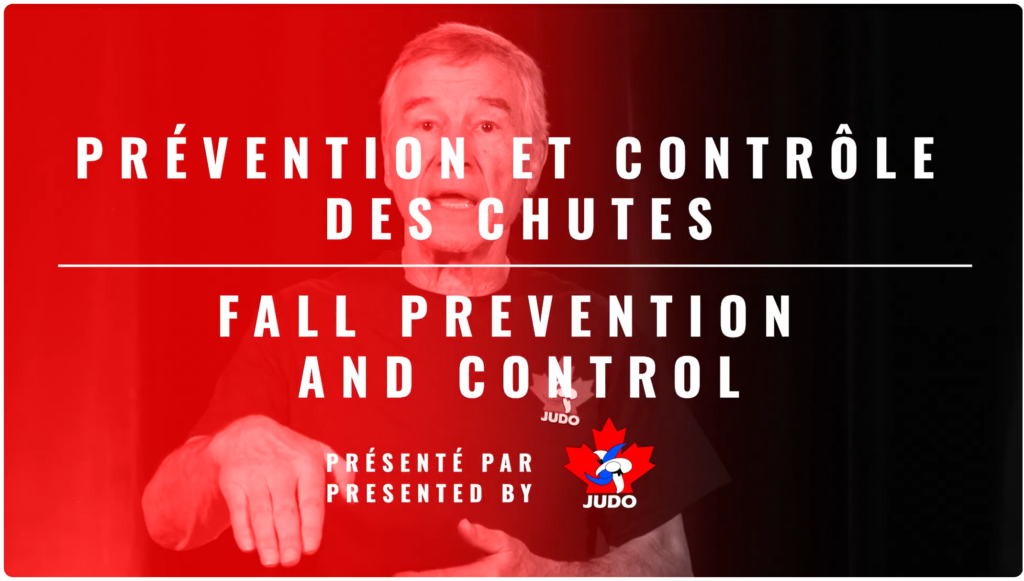
The program begins with gentle exercises designed to improve posture, coordination, balance, and core strength—key elements for maintaining stability in everyday life. As participants progress, movements become gradually more dynamic, helping them respond effectively to real-world situations such as slipping, tripping, or losing balance on uneven surfaces. Instruction emphasizes learning through movement and repetition, allowing participants to develop automatic, protective responses rather than relying solely on verbal instruction.
Sessions take place in judo clubs already equipped with soft mats and trained instructors, creating a safe space for participants to explore movement without fear. Exercises are performed at low intensity and adapted as needed, ensuring accessibility for a wide range of physical abilities. Interactive games and balance challenges are incorporated to reinforce learning in an engaging, enjoyable way, while also supporting agility, reaction time, and confidence.
By the end of the program, participants will have developed greater body awareness, improved balance, and practical skills to manage falls more safely. Most importantly, they will gain confidence in their ability to move, react, and remain active in their daily lives—supporting long-term independence, injury reduction, and overall well-being.